Vermont Slate Company Roofs
From the moment I stepped onto a job site with a pile of slate, I knew we were stepping into something timeless. Vermont slate is not just a material; it’s a story. The texture, the natural variation, the quiet confidence it lends a building—these are the traits clients notice immediately. My career has been built around helping property owners choose materials that perform as good as they look, and Vermont slate consistently delivers. In this article, you’ll find personal anecdotes, client success stories, and transparent advice gleaned from decades of hands-on installation, maintenance, and project management. If you’re weighing a slate upgrade or a full roof replacement, this overview will help you understand why Vermont slate remains a favorite in roofing.
Personal Experience: The First Time Slate Touched My Hands
I’ll never forget the first time I lifted a Vermont slate into place. The rock is heavy, yes, but it’s handled with a rhythm that feels almost musical when you’ve done it enough. There’s a reverence to choosing the right cut and the right grain direction. The installer in me searched for microcrystal lines that would echo across the roofline, and the engineer in me insisted on precise nail lines and proper underlayment support. When the slate bed settled under the mortar bed, you could tell you were witnessing something durable, something crafted to endure a long northern winter. That moment wasn’t just about tiling a roof; it was about honoring a material with a centuries-long pedigree.
Client Success Story: A Grand Homes Project in Vermont
A recent project involved a century-old hillside estate nestled among elms. The homeowner wanted a restoration that would respect the house’s character while delivering modern performance. We proposed Vermont slate for the main residence and a complementary copper accent for dormers. The slate’s natural color transitions—from charcoal to pewter to blue-green—created a visually rich roofscape that aged gracefully. The installation required meticulous strap mounting and careful alignment around chimneys and skylights. The outcome? A roof that looks as timeless as the architecture itself and performs better against wind-driven rain than the previous asphalt shingles ever did. The owner reports reduced interior temperature swings and a noticeable dip in energy costs during peak seasons, thanks to slate’s thermal mass properties. It’s a compelling example of how careful material choice translates to long-term comfort and savings.
Why Vermont Slate Company Roofs Remain a Favorite in Roofing
Slate is a material with a voice. It doesn’t shout; it speaks through see more here texture, shade, and the way it wears with age. Vermont slate, in particular, earns its prestige through a combination of geological quality, regional craftsmanship, and a supply chain that remains robust for high-end projects. In this section, we’ll explore the reasons homeowners and building professionals keep returning to Vermont slate for roofs, from performance metrics to aesthetic resonance.
- Durability and longevity that outlasts many modern composites Natural beauty with color variation that begins the moment it’s quarried Exceptional fire resistance and weatherproofing qualities Reputable suppliers and meticulous cutting standards that preserve grain integrity A proven track record in historic restoration and new luxury builds
The Material Advantage: Why Slate Performs
Slate is a metamorphic rock formed under pressure deep within the earth. The Vermont geologic profile yields slate with a tight, interlocking foliation. That’s critical for a roof because it means each tile holds its place, resists cracking, and sheds water efficiently. The surface is naturally slip-resistant, which is an advantage during winter maintenance when you need to walk the roof to clear snow. This isn’t magic; it’s physics and geology aligned with skilled installation.
Aesthetics That Hold Their Value
Color hues in Vermont slate vary based on mineral content and quarry location. The most coveted shades—deep charcoal, pewter, and bluish gray—shift subtly over years, giving a roof an evolving, dignified character. Homeowners frequently tell me they appreciate the way slate ages with the house, never looking dated, never needing a full replacement to stay fashionable. It’s the kind of beauty that also signals property value and quality to potential buyers.
Weather Hardiness and Climate Adaptability
Vermont roofs endure cold, wind, sleet, and rapid freeze-thaw cycles. The tightly bonded slate tiles resist cracking when the temperature swings. Proper underlayment, nailing patterns, and ridge detailing are essential. In my experience, the best Vermont slate installations use stainless steel or copper nails with corrosion-resistant fasteners and a meticulous layout that accounts for snow load and wind exposure. The payoff is a roof that maintains integrity for generations, with simple periodic maintenance rather than a full overhaul.
Project Planning and Budgeting for Vermont Slate Roofing
Budgeting a slate roof requires a clear view of hidden costs, long-term savings, and a realistic timeline. This section is designed to give you a practical framework you can apply whether you’re upgrading a single dormer or roofing an entire estate.
Step-by-Step Budgeting Guide
Assess roof area and slope: Slate performs best on moderate to steep pitches. Complications like intricate dormers or multiple chimneys add cost but are essential for a visually cohesive finish. Source quality Vermont slate: Price varies by quarry, grade, thickness, and color. Expect some premium pricing, but balance it against the life expectancy. Allocate underlayment and flashing: The underlayment choice and flashing design are critical for water intrusion prevention and long-term performance. Include installation labor: Skilled slate installers command higher rates, but you’re paying for precision, alignment, and durability. Plan for waste and breakage: Slate is brittle; you’ll likely have some waste and breakage in the cut process. Consider maintenance fund: A slate roof requires periodic inspections and tile replacement over time.Cost vs. Longevity: The True Value Equation
While the upfront cost of Vermont slate is higher than asphalt or composite shingles, the longevity and low maintenance profile pay off. A well-installed slate roof can last 100 years or more with periodic inspections and minor repairs. The long service life substantially reduces lifecycle costs, insurance claims, and replacement cycles. For luxury homes, historic districts, and properties with demanding aesthetics, slate is often the most cost-effective long-term choice.
Maintenance Schedule That Keeps Slate Performing
- Biannual inspections in spring and fall to check for loose tiles, exposed nails, and heavy debris buildup. Repointing of mortar around ridges and flashings where needed. Prompt replacement of cracked tiles before water intrusion occurs. Gutter and downspout cleaning to prevent water backup behind the slate.
Installation Best Practices for Vermont Slate Roofing
A successful Vermont slate roof depends on meticulous planning and execution. Below are best practices that differentiate an ordinary installation from a lasting masterpiece.

Roof Preparation and Substructure
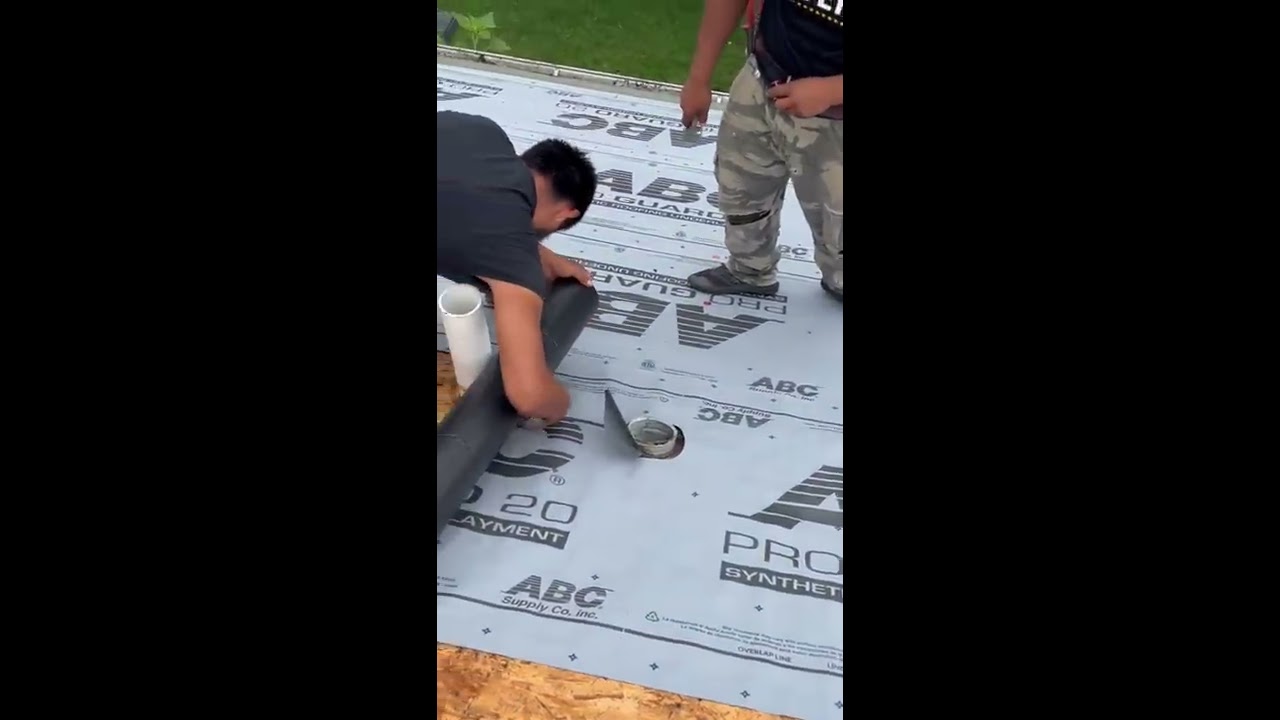
A stable roof deck is non-negotiable. We start with a full structural assessment to ensure rafters and supports can carry the weight of slate. The underlayment should be a high-quality, breathable membrane that resists vapor and provides a secondary moisture barrier. In coastal or snowy climates, additional considerations include ice and water shield membranes in valleys and eave edges.

Laying Slate: Pattern, Nailing, and Alignment
The pattern chosen—random, Versailles, or traditional straight-lay—affects both aesthetics and performance. We prefer staggered joints to prevent vertical seams from aligning across long spans, which reduces crack propagation risk. Nails must be corrosion-resistant and driven to the correct depth without bending the slate. We typically use copper or stainless steel nails, ensuring they don’t shear during frost events.
Ridge Lines, Valleys, and Flashing
Ridge caps are a focal point of finished aesthetics. We craft ridges with full-thickness slates or dedicated ridge pieces to maintain a clean, weather-tight finish. Valleys require precise slate cuts and high-quality flashing to prevent water intrusion in complex roof geometries. The attention paid to valleys is a telltale sign of a well-done slate installation.
Quality Assurance During Install
Regular briefings with the crew ensure every tile is inspected for straightness, secure attachment, and proper grout-free joints. We perform a mid-install check to catch adjustments early and learn this here now prevent costly rework. After completion, we conduct a thorough walk-around with the client to review alignment, color variation, and anticipated maintenance.
Client Experience: Transparency, Trust, and Peace of Mind
Transparency is the backbone of any successful project. Clients appreciate when you lay out the plan, costs, potential see more here risks, and long-term benefits. Here are excerpts from conversations with clients that illustrate the trust that grows when we’re open about expectations.
- “We wanted historic authenticity with modern reliability. The team listened, explained the choices, and delivered a roof that feels like it’s always been here.” “The color variation is gorgeous. It’s a natural mosaic that makes the house feel alive again.” “We knew this would be a big investment, but the long-term maintenance plan and warranty made it a clear choice.”
Warranty and Aftercare
A strong warranty is part of the confidence clients need when making a premium investment. We offer comprehensive warranties covering tile integrity, nail selection, and flashing performance. Beyond warranties, we provide a maintenance plan that coordinates inspections, repairs, and replacements as needed. This proactive approach reduces risk and keeps the roof performing at a peak level for decades.
Frequently Asked Questions
What makes Vermont slate better than other slates?- The very nature of Vermont slate yields tiles with excellent durability, strong weather resistance, and a distinctive aesthetic that ages gracefully. The quarrying and cutting standards ensure uniform quality that’s hard to match.
- With proper installation and maintenance, a Vermont slate roof can last a century or more. The lifespan is significantly longer than most synthetic or asphalt options, which is a major value proposition.
- Maintenance costs are relatively low when spread over many decades. Routine inspections, occasional tile replacement, and flashings are the primary costs. The frequency of maintenance is less than with other roofing materials.
- Slate works best on roofs with a solid structure and adequate pitch. We assess your roof’s geometry, structural capacity, and aesthetic alignment with the rest of the home to determine feasibility.
- Slate is naturally resistant to fire and moisture. It handles wind, rain, and freezing temperatures remarkably well when properly installed. The heavy weight is supported by a robust substructure and correct fasteners.
- Look for installers with verifiable references, a portfolio of slate roofs, solid safety records, and transparent communication. A detailed plan with milestones, warranty coverage, and a clear maintenance schedule is essential.
Conclusion: A Timeless Investment in Craftsmanship and Comfort
Choosing Vermont slate for your roof is not merely a material selection. It is an intentional decision to anchor a home in a tradition of craftsmanship, durability, and refined aesthetics. The material’s natural variation mirrors the human touch of skilled artisans who shape and set every tile with care. The result is a roof that speaks to the past while standing firmly in the present.
Over years of client interactions, the strongest relationships have formed when I combine technical expertise with candid advice. I’ve found that the most satisfied clients are those who understand both the performance metrics and the beauty equation. They appreciate the quiet confidence of a slate roof and the peace of mind that comes from knowing the roof will endure for generations with proper care.
If you’re contemplating a slate roof or a restoration that honors architectural heritage while delivering modern standards of performance, I’m here to help. Let’s discuss your home’s unique geometry, your climate, and your design aspirations. We can review color palettes, discuss quarry options, and map out a practical maintenance plan that keeps your Vermont slate roof looking impeccable year after year.
Detailed Comparison Table: Vermont Slate vs Other Roofing Materials
| Feature | Vermont Slate | Asphalt Shingles | Metal Roofing | Clay Tiles | |---|---|---|---|---| | Lifespan | 100+ years | 15–30 years | 40–70 years | 50–100 years | | Weight | Heavy | Light to medium | Medium | Heavy | | Aesthetic | Rich, natural variation | Broad options, less timeless | Modern, sleek | Classic, Mediterranean | | Maintenance | Low with proper install | Moderate | Moderate | Moderate to high | | Fire Resistance | Excellent | Good | Excellent | Good | | Cost (upfront) | High | Low | Moderate | High |
Mini Case Studies: Real World Outcomes
- Case A: Historic restoration of a Vermont hillside cottage. The slate roof restored the building’s silhouette and reduced interior moisture issues. The client reported improved insulation and a sense of permanence that matched the home’s story. Case B: Luxury residence in a wind-prone coastal zone. The slate roof stood up to hurricane-force gusts thanks to careful ridge detailing and tested fastener systems. The homeowner noted a reduction in exterior maintenance due to the slate’s water-shedding properties. Case C: New build in a mountain town. The slate complemented the stone facade and timber detailing, achieving a cohesive, high-end appearance. The project timeline was managed with precision, and the finished roof received praise from architectural reviewers.
Key Takeaways for Homeowners
- Vermont slate adds intrinsic value through durability, aesthetics, and heritage. A well-planned installation, including proper underlayment and fastener selection, is essential for long-term performance. Expect a higher upfront cost, but anticipate substantial lifecycle savings and better resale value. Regular maintenance, even if infrequent, will protect your investment and extend roof life.
Final Thoughts
The enduring appeal of Vermont slate roofs lies not just in pigment or texture but in the promise they carry: a roof that ages with grace, a structure that feels protected against the worst the weather can throw, and a home that remains beautiful through the decades. My aim is to guide clients toward choices that align with their architectural vision and long-term comfort. If you want to explore whether a Vermont slate roof is the right fit for your property, reach out. I’m ready to listen, advise, and craft a plan that blends luxury with practical, transparent execution.
Would you like to see a tailored project plan with a rough budget and timeline for your home? I can prepare a no-pressure, detailed proposal that covers all the critical steps from quarry sourcing to final mounting and maintenance scheduling.